29 June 2026
UK retirement traditions explained: the send-off, the card, and the gold watch
The short version: the rituals (the send-off, the card, the collection, the speech, a keepsake for the years) have barely changed in a century. What's changed is the gift, from a standard-issue gold watch to something made for the specific person.
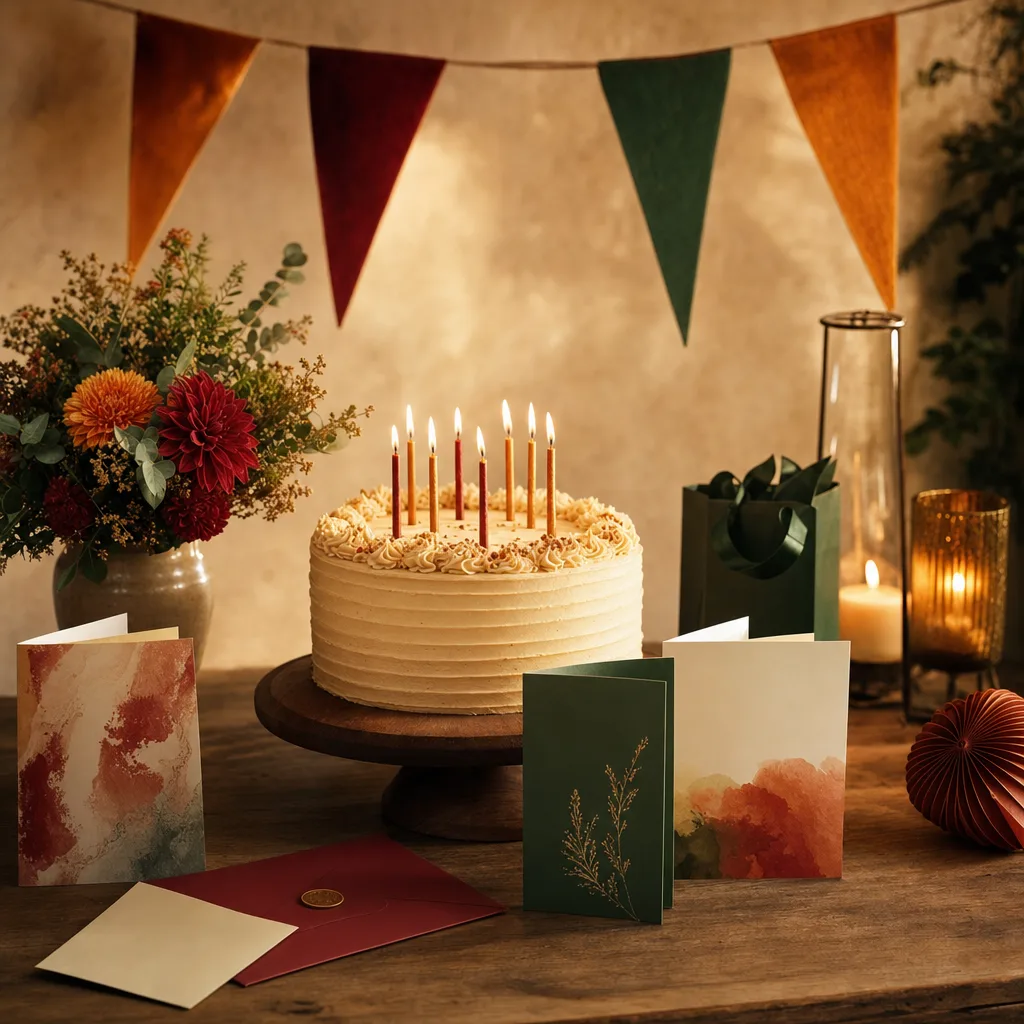
Retirement is one of the few work milestones that still comes with genuine ceremony. Knowing where the customs come from makes it easier to mark the occasion well. Here's what each tradition is, and how it looks today.
The gold watch
The most famous retirement tradition. From the early twentieth century, employers marked decades of loyal service with a gold watch:partly a thank-you, partly a status symbol, and quietly poetic, after a working life run by the clock, time was finally the retiree's own.
The literal watch has faded, but its meaning hasn't. The modern equivalent is a personal keepsake that marks the years specifically: a personalised retirement print with their name and years of service, or a dedicated milestone gift for a long career. Same symbolism, kept rather than drawered.
The leaving do
The send-off (drinks, a lunch, or a full party) is the social heart of a retirement. It gives colleagues a moment to say goodbye properly and the retiree a clear line between working life and what's next. Scale follows the career: a quiet team lunch for some, a department-wide gathering for a thirty-year veteran. If you're organising one, our retirement party ideas covers the practicalities.
The card
A card signed by everyone is the tradition that punches above its weight. Years later, people remember the lines colleagues wrote far more than most gifts. The custom is simple (pass it round a few days early so it's full by the send-off) but the content is where people freeze. What to write in a retirement card has openers for every relationship, sincere and funny.
The office collection
Pooling for a single, better gift is a long-standing workplace ritual, and a kind one: it spreads the cost and produces one thing the whole team is proud to put their name to, rather than a scattering of small presents. The etiquette around who organises it, how much to suggest, and the lead time is its own small craft: we've written it up in organising a group retirement gift, with the options in the group gifts collection.
The speech and the toast
A few words mark the moment, usually from a manager or a close colleague, sometimes from the retiree in reply. It needn't be long; a genuine thank-you, a story or two, and a toast is plenty. The tradition exists to say it out loud: that the work mattered and the person will be missed.
The keepsake
Underneath the watch, the card and the speech sits one constant impulse, to give the retiree something lasting that marks the years. That's the oldest tradition of all, and the one most worth getting right. Today it takes the form of a keepsake or a piece of wall art made for them specifically, rather than a generic token. For the etiquette of who gives what and when, see our retirement gift etiquette guide.
How it all fits together today
The structure is remarkably stable: a gathering, a signed card, a collection, a few words, and a keepsake. What's modernised is the gift itself, from something standard-issue to something personal. The retiree of a century ago got the same watch as everyone before them. The retiree today gets a piece that carries their own name, their own years, and a nod to the career they're leaving. The ceremony endures; the gift finally became personal: which, arguably, is how it should always have been.
Frequently asked
Why were gold watches given at retirement?
+
The gold watch became a retirement tradition in the early 20th century, a quietly symbolic gift marking decades of service and the moment time finally became the retiree's own. It signalled a long, loyal career. Today the symbolism lives on more often in a personalised keepsake than a literal watch.
What are the main UK retirement traditions?
+
The core customs are the leaving do or send-off, a card signed by colleagues, an office collection for a group gift, a short speech or toast, and a keepsake to mark the years. Most workplaces keep some blend of these, scaled to the person and the length of their career.
How do people mark a retirement today?
+
The bones are unchanged (a gathering, a card, a collection, a few words) but the gift has shifted from a generic gold watch to something personal: a print, framed canvas or keepsake carrying the retiree's name and years of service, marking the specific person rather than just the milestone.